

What is alopecia?
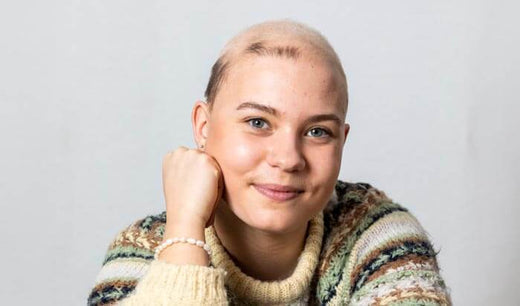
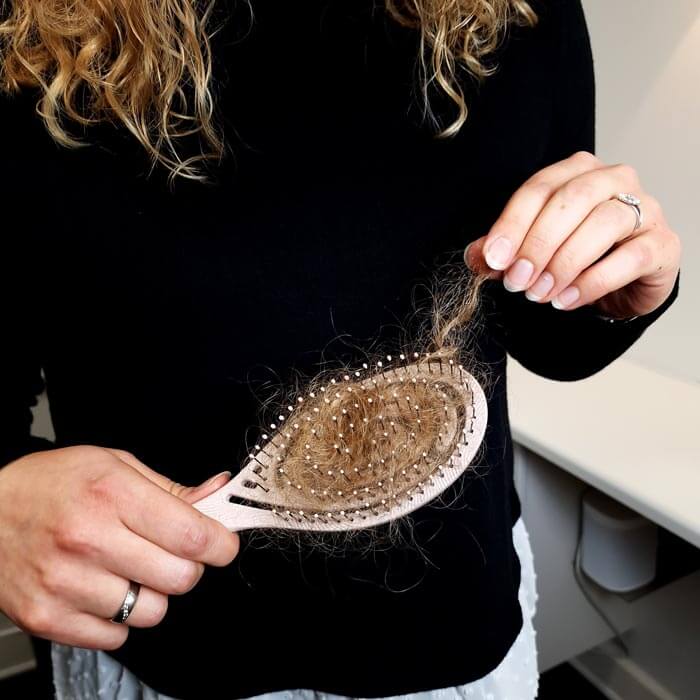
Alopecia areata (or simply alopecia in everyday terms) is an unpredictable condition that can affect both men and women – regardless of age. More specifically, it is an autoimmune skin condition in which the body’s own immune system attacks the hair follicles. The hair growth cycle stops, and the hair begins to fall out. Alopecia exists in different variations, of which alopecia areata – patchy hair loss – is the most common.
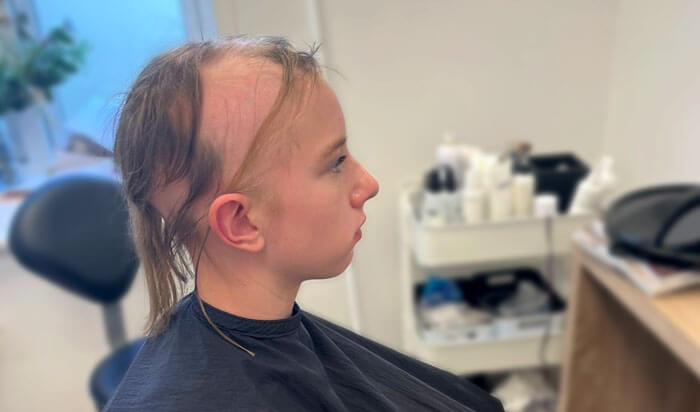
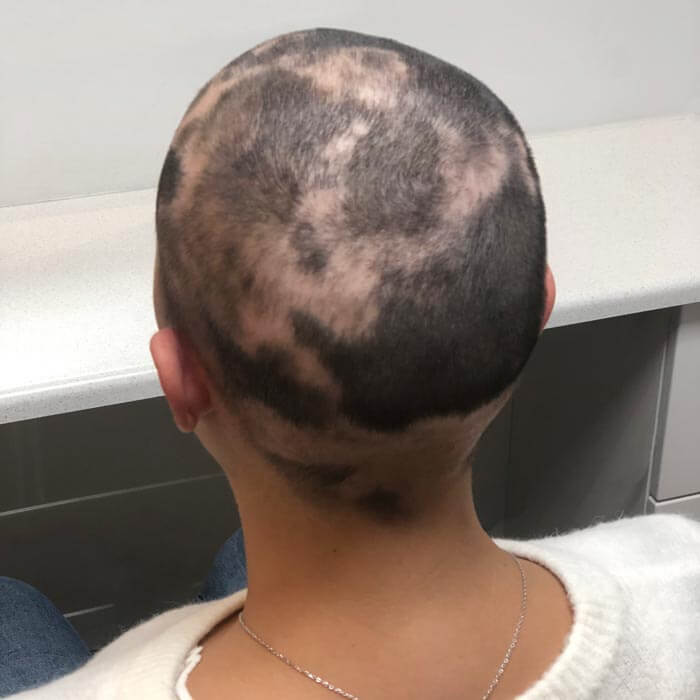
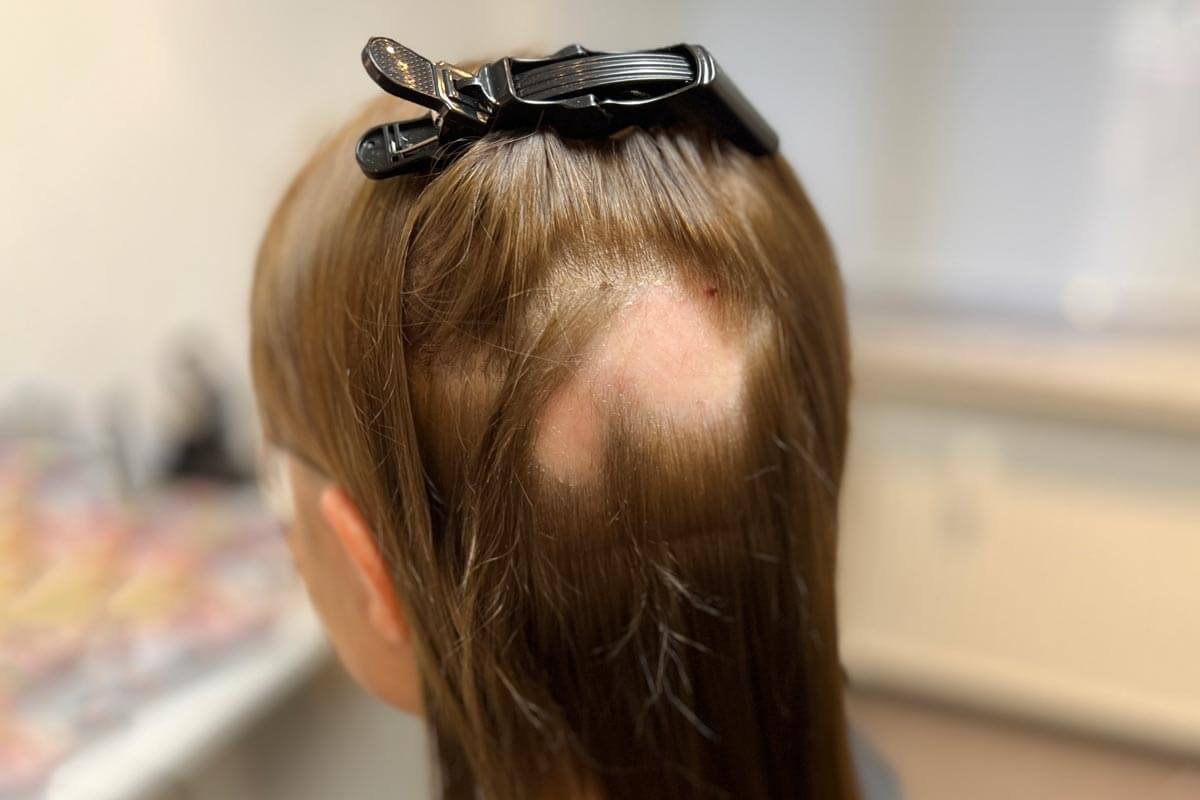
Alopecia often begins with patchy hair loss on the scalp. The hair loss varies from person to person, and the affected area may change in size and extent. If all the hair on the scalp is lost, the condition is called alopecia totalis. If all body hair is also lost, the condition is called alopecia universalis. Alopecia is diagnosed by a dermatologist, often based on blood tests to rule out other conditions.
Alopecia totalis and alopecia universalis
There are also other forms of alopecia that are rarer than alopecia areata (patchy hair loss). One is alopecia totalis, which – as the name suggests – results in the loss of all hair on the scalp. If the hair loss progresses to the rest of the body, the condition is known as alopecia universalis.
Frequently asked questions about alopecia
Is alopecia hereditary?
Genes play a part. Alopecia is more common in people who have a relative with alopecia or another autoimmune disease, such as diabetes, thyroid disease or atopic eczema. But the condition can also develop when no one else in the family has it.
What are the first signs of alopecia?
The typical first sign is one or more round, smooth patches without hair, most often on the scalp, but they can also appear in the beard or the eyebrows. The skin in the patch looks normal. Some people feel a slight itching or tingling before the hair falls out.
Can alopecia go away on its own?
Often, yes. In around 80% of people, the hair grows back fully or partly within a few years, even without treatment. However, the condition is unpredictable and can return. With alopecia totalis and universalis, the chance of the hair growing back is lower.


Who is affected by alopecia?
Alopecia occurs more frequently among people who are related to individuals with autoimmune diseases. These can include diabetes, lupus, thyroid disorders, celiac disease, or atopic eczema. Women and men are affected equally by the condition. Alopecia can occur at any time, but in more than half of cases, the first signs develop before or during the age of 20.
The prevalence of alopecia is constant and the same worldwide. It is uncertain why alopecia occurs, but a genetic predisposition is typically the determining factor. Other indicators such as stress and trauma are also suspected of triggering alopecia.
Women may be affected by androgenetic alopecia, which is significant thinning of the hair on the top of the scalp. Androgenetic alopecia is hormonally related and, like other types of alopecia, may be hereditary.
Alopecia and treatment options
There is no treatment that can cure alopecia, but there are several ways to keep the condition in check. Dermatologists typically use corticosteroids as a cream, as injections into the scalp or as tablets, and some patients receive light therapy. Many people find that their hair grows back fully or partly for a period, but the condition can flare up again.
For severe alopecia areata, two newer medicines have been approved in the EU, known as JAK inhibitors: baricitinib (Olumiant) and ritlecitinib (Litfulo). They dampen the part of the immune system that attacks the hair follicles and can make the hair grow back in some patients. The treatment can cause side effects such as infections and raised cholesterol, and whether it is available through the public health system varies from country to country. Talk to your dermatologist about what is right for you.
A small selection of solutions we have created


Facts and figures about alopecia areata
According to the Danish health portal sundhed.dk, around 1.7% of the population develop alopecia to some degree during their lifetime. In around 80% of cases, the hair grows back fully or partly within a few years, while around 20% experience permanent hair loss.
Get a professional hair consultation
Alopecia can affect anyone. That is why our solutions to help with your hair loss are as diverse as the people affected by alopecia. We offer you a free email consultation, where you can learn about the different options we can offer to give you exactly the hair you dream of. Simply fill out the form below, briefly describe your hair loss, and feel free to attach photos of your hair loss. This allows Lise Toftild to find the optimal solution for you. The photos will be deleted in accordance with GDPR after the evaluation.
Hair solutions for alopecia areata
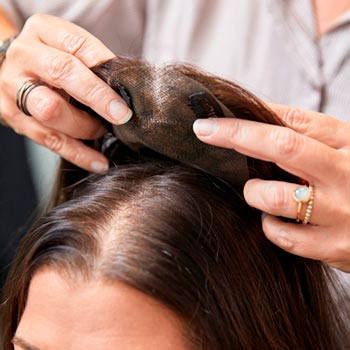
If you have alopecia areata – patchy hair loss – you can get a bespoke hair solution with Hair for Life® by Toftild that covers only the area where you are affected by hair loss. The solution does not necessarily have to be a full wig, but may also be smaller hairpieces attached to the specific areas where you are missing hair.

Natural hairbands made from donated hair
We introduce our unique Toftild Hairband, made with donated human hair, to offer a beautiful, natural, and comfortable solution for girls and women experiencing hair loss who do not feel ready for a wig. The hairbands are specially designed for those living with alopecia or undergoing chemotherapy, and who wish to regain the feeling of natural hair and personal style.

Alopecia and wigs
If your hair does not grow back, a wig or a hair topper can be a good solution. It covers the hair loss and gives many people a sense of security in everyday life, even when the condition comes and goes. A wig can be made of synthetic fibre hair, which is easy to care for, or of real human hair, which looks the most natural and can be styled like your own hair.
At Toftild, we have more than 40 years of experience with wigs and toupees for people with hair loss. Our shops are in Denmark, but you are welcome to write to us at info@toftildshop.shop if you have any questions.